Personalisation based on e-learning authoring tools
This process involves the personalisation and adaptation of learning content using e-learning authoring tools. These tools are used to create tailored learning experiences that adapt to individual learner needs by enabling the development of customised content throughout the learning process. They allow educators to design and implement personalised learning materials aligned with specific instructional goals, often integrating with existing e-learning systems through plugins, built-in functionalities (such as H5P), or imported files using standards like SCORM. These tools support a wide range of content formats, from text-based materials to multimedia resources. With recent technological advancements, some authoring tools are now AI-powered, enabling the easier creation of interactive and adaptive learning content. Examples of commonly used e-learning authoring tools include iSpring, Adobe Captivate, Articulate Storyline, Camtasia, and Lectora .
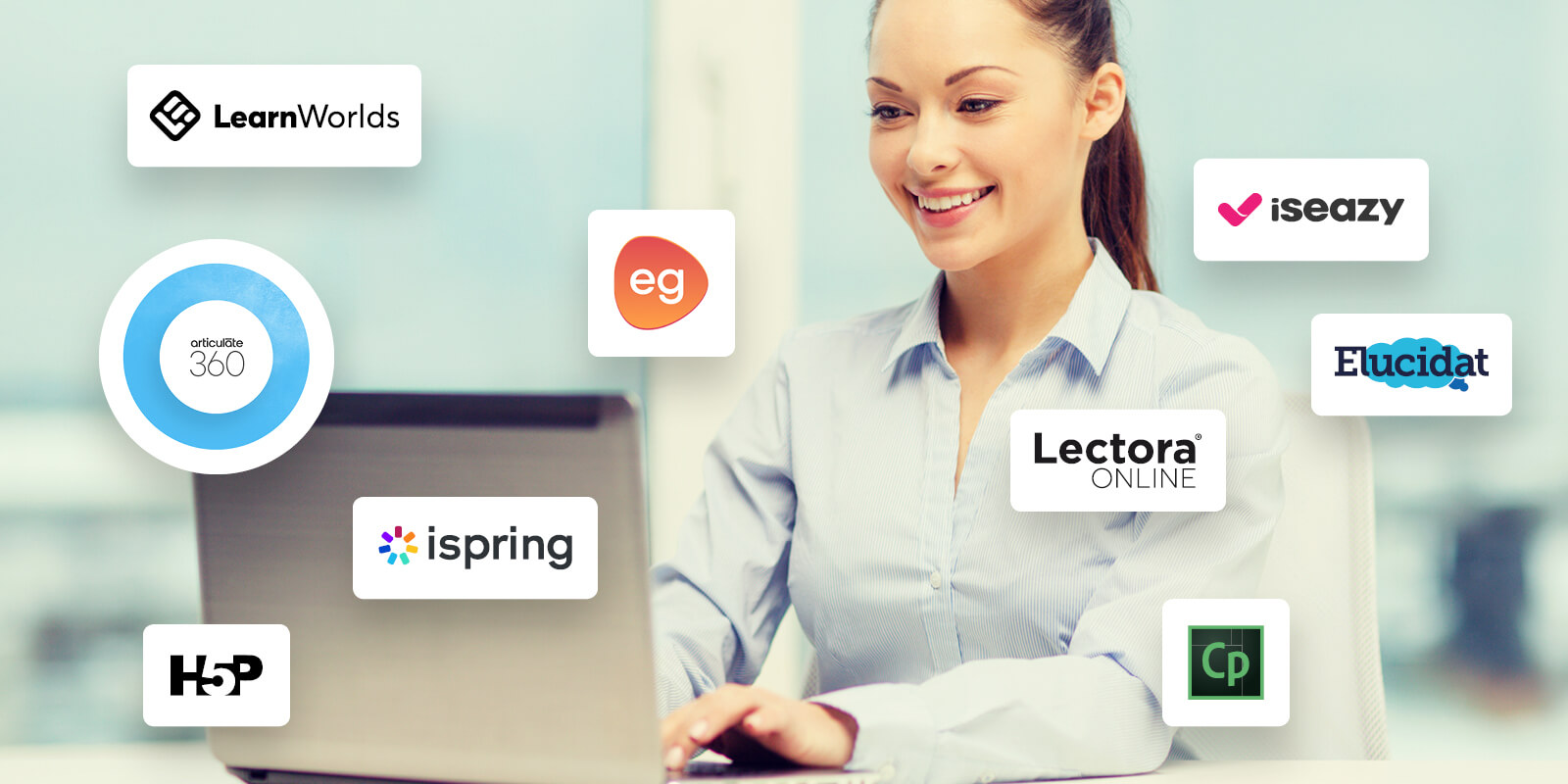
Other tools include:
- WIDGaT (Widget Design and Authoring Toolkit) - "is an innovative code-free educational widget creation tool. It is an open source toolkit designed to support the creation of widgets that are platform independent, W3C standards compliant, sharable and personalized. It is primarily aimed at creating widgets to support independent learning for disabled students" - Pearson & Perrin,(2014)
Resources
References
- Pearson, E., & Perrin, F. O. (2014, April). Widget design authoring toolkit. In Proceedings of the 11th Web for All Conference (pp. 1-2).
- Nacheva-Skopalik, L., & Green, S. (2012). Adaptable personal e-assessment. International Journal of Web-Based Learning and Teaching Technologies (IJWLTT), 7(4), 29-39.